by Jason Webb | Nov 24, 2018 | Endorsing Artificial Grass
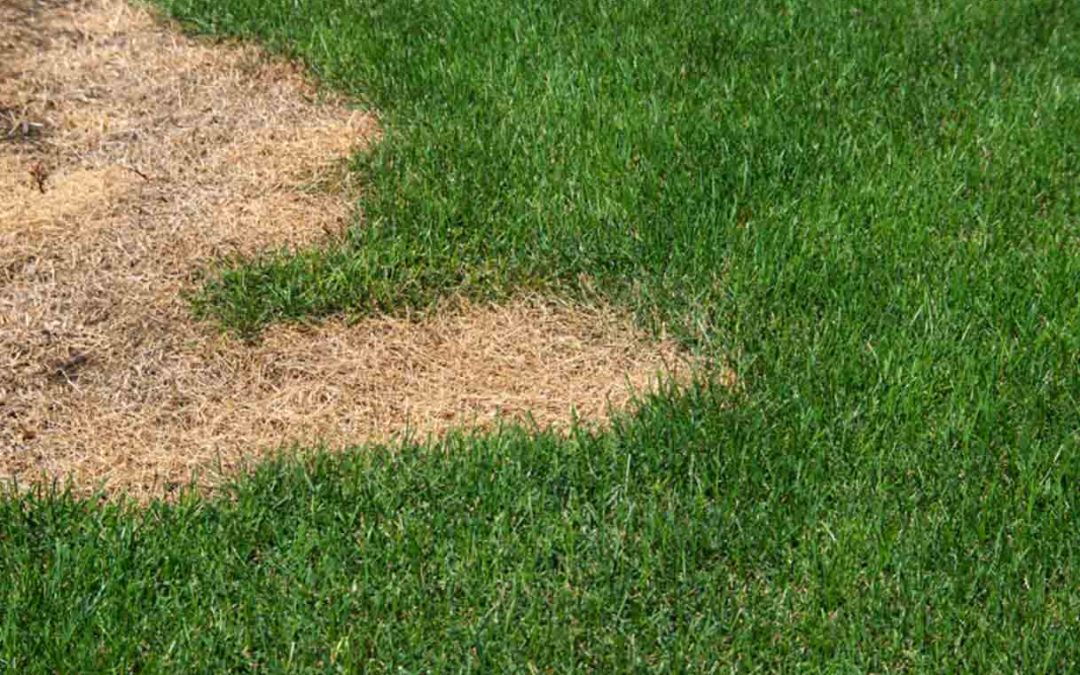
Let’s face it, Sometimes growing natural grass just doesn’t work. There are so many factors involved to keep natural lawns green. And at NewGrass, we understand your pain. For instance, you could be dealing with: Shady spots Extreme heat Hard ground Desert...
by Jason Webb | Nov 2, 2018 | Endorsing Artificial Grass
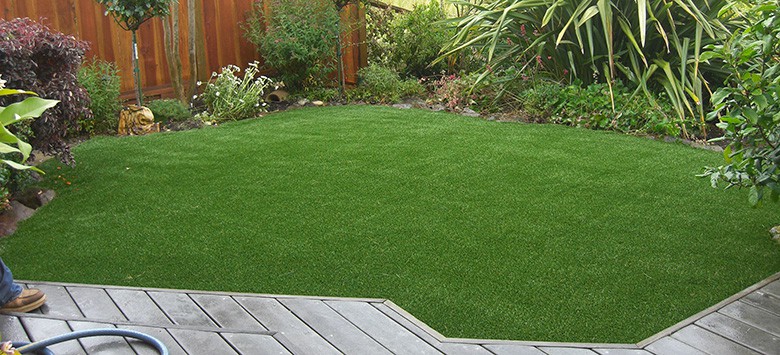
Often, we are asked why our artificial grass looks realistic. The short answer is we do a fantastic job of sourcing the right materials. However, the real answer requires a bit more explanation. We are going to spend then ext few minutes unpacking the specifics of why...
by Jason Webb | Oct 15, 2018 | Endorsing Artificial Grass
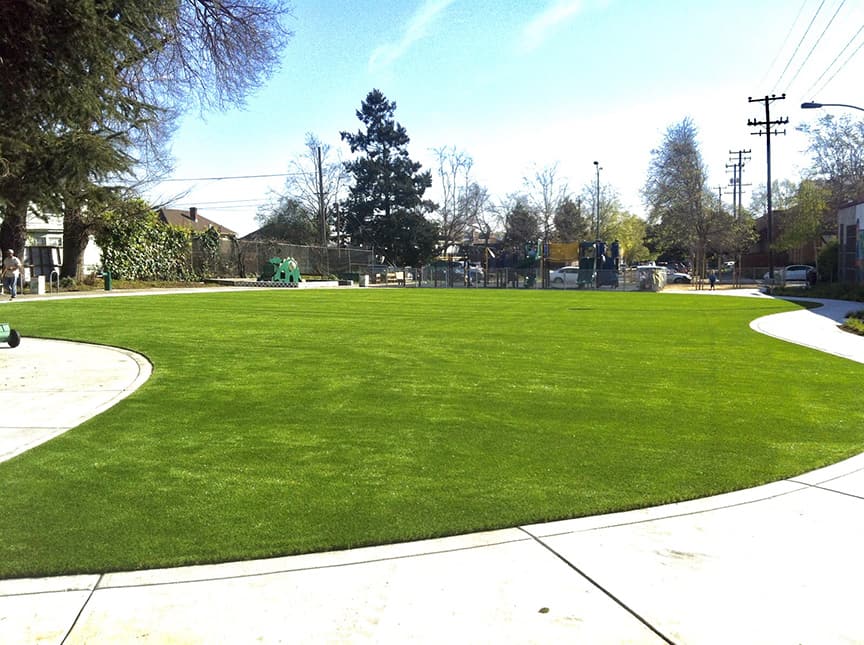
Cooler artificial grass? Yes, it’s possible. In fact, it might be a necessity for you. For instance, say you live in Maine. In a northern state like that, you definitely get true seasonal weather patterns. If you have artificial grass, your mild summer creates the...
by Jason Webb | Oct 2, 2018 | Endorsing Artificial Grass
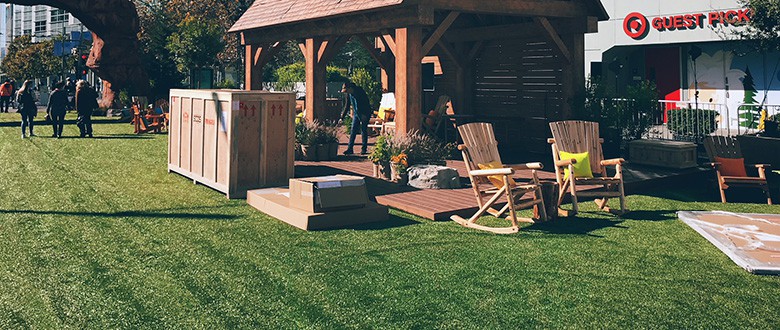
Artificial lawns are popular with homeowners for good reason. The low maintenance aspects, lower water bills and environmental impact make use quite popular. However, in the past two decades, artificial grass is popping up in very unusual spaces. Think of pop-up...
by Jason Webb | Sep 16, 2018 | Endorsing Synthetic Grass, Pet Discussions
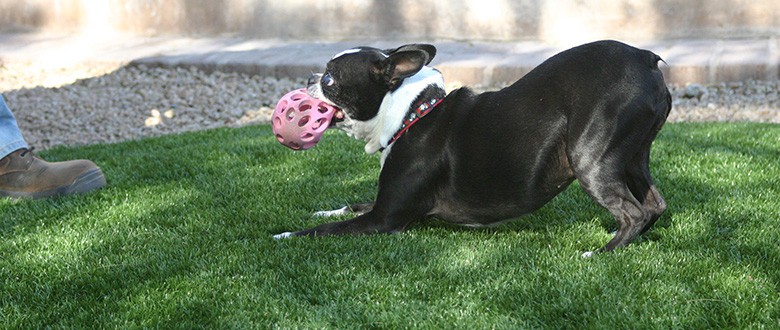
As Americans, we love our dogs. It is estimated we spend a base amount of $1,270 on them every year. Keep in mind, that does not include special outings, overnight stays at a pet lodge, trips to special events or any other type of special pampering we give our...
by Jason Webb | Aug 29, 2018 | Endorsing Artificial Grass
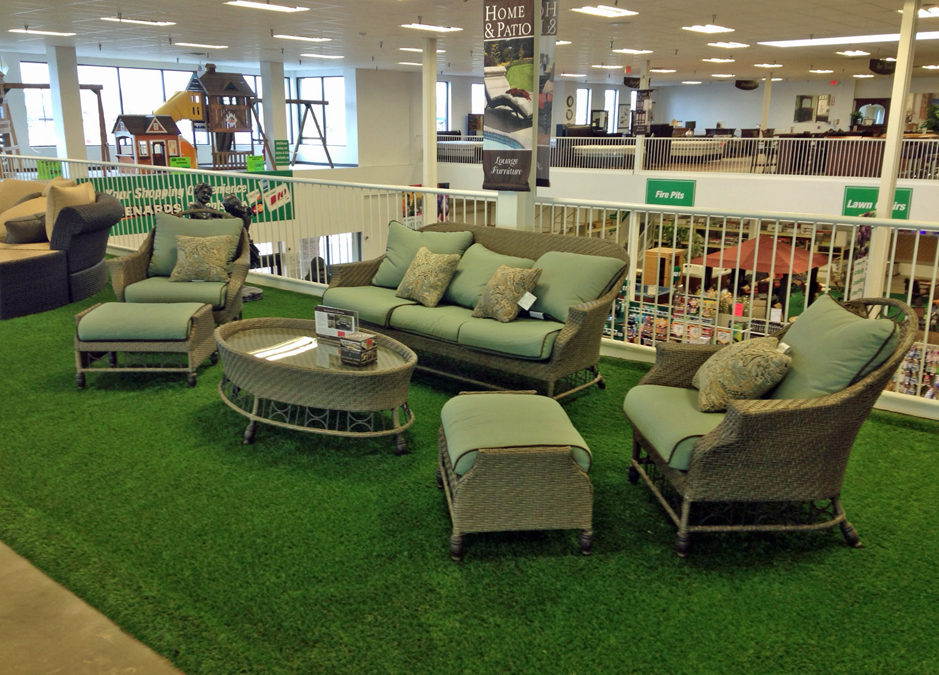
Synthetic grass is great for more than just residential properties. Artificial grass brightens commercial spaces too. Commercial properties may use them to upgrade, improve and add value. NewGrass works with many commercial project managers to provide a permanent...
by Jason Webb | Aug 10, 2018 | Endorsing Artificial Grass
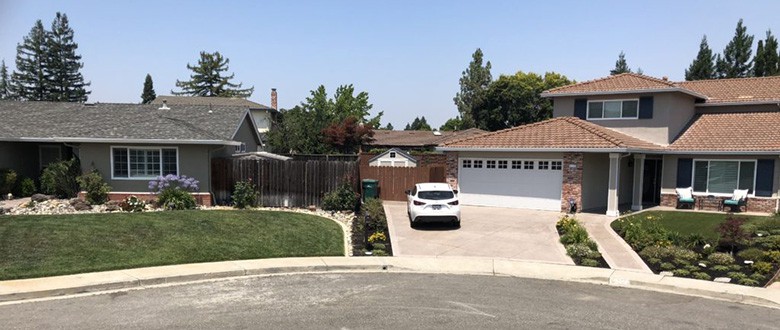
Compare artificial grass today to artificial grass thirty years ago (especially in sports venues). The two don’t even look like the same product. Industry innovation and the pursuit of a realistic looking product are the driving force behind current product...
by Jason Webb | Jul 31, 2018 | Child Discussions, Endorsing Synthetic Grass
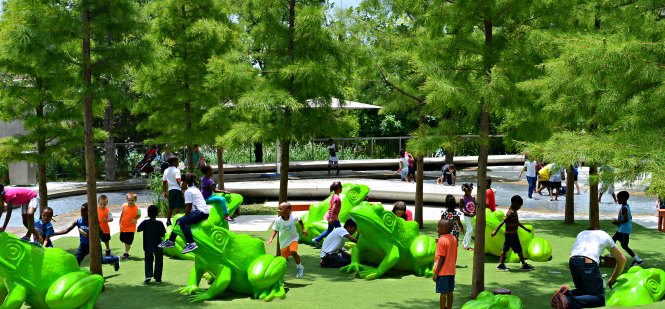
Trying to get the attention of your kids today can be a challenge. In our ever-changing age of technology it seems that screens get smaller and more mobile while attention spans get shorter. However, if you put your mind to it, you can encourage your kids to spend...
by Jason Webb | Jun 25, 2018 | Endorsing Synthetic Grass, Water Conservation
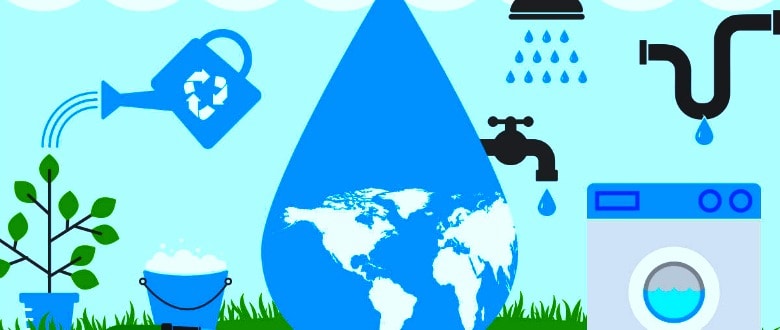
Well the data is in. Synthetic grass conserves water! The Legislative Analyst’s Office released their Water Use trends report. The report is the result of two years of data collected from various municipalities. Some of the results were surprising, but make sense...
by Jason Webb | Jun 8, 2018 | Endorsing Synthetic Grass, FAQ
There are many myths concerning synthetic grass. However, when you boil them down there are really only about six. They span everything from the weird category to something that actually sounds reasonable. Perhaps you have heard some of these mentioned before....

